vatodorov19
Silver ⭐️⭐️⭐️
November 5, 2020
Solved

How to use InvokeHTTP without SSL verification

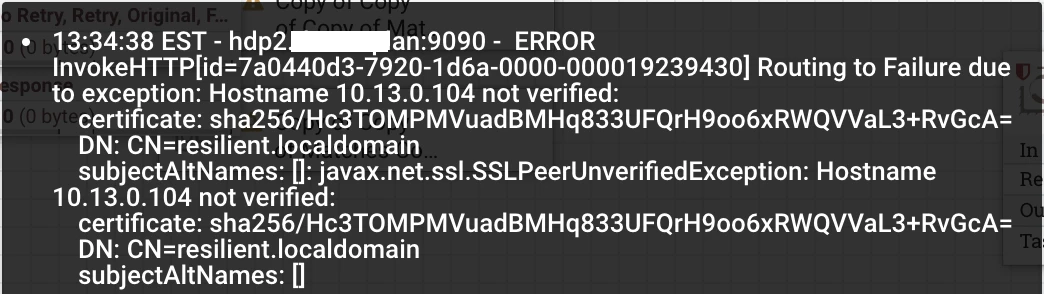
How can I use InvokeHTTP without SSL verification? I followed this article on how to import the public certificate but that cert is not CA-signed, and InvokeHTTP doesn't work. Below is the error I get.

https://community.cloudera.com/t5/Support-Questions/Is-it-possible-to-provide-options-to-InvokeHTTP-nifi/m-p/236239


vatodorov19_1-1604603238416.png


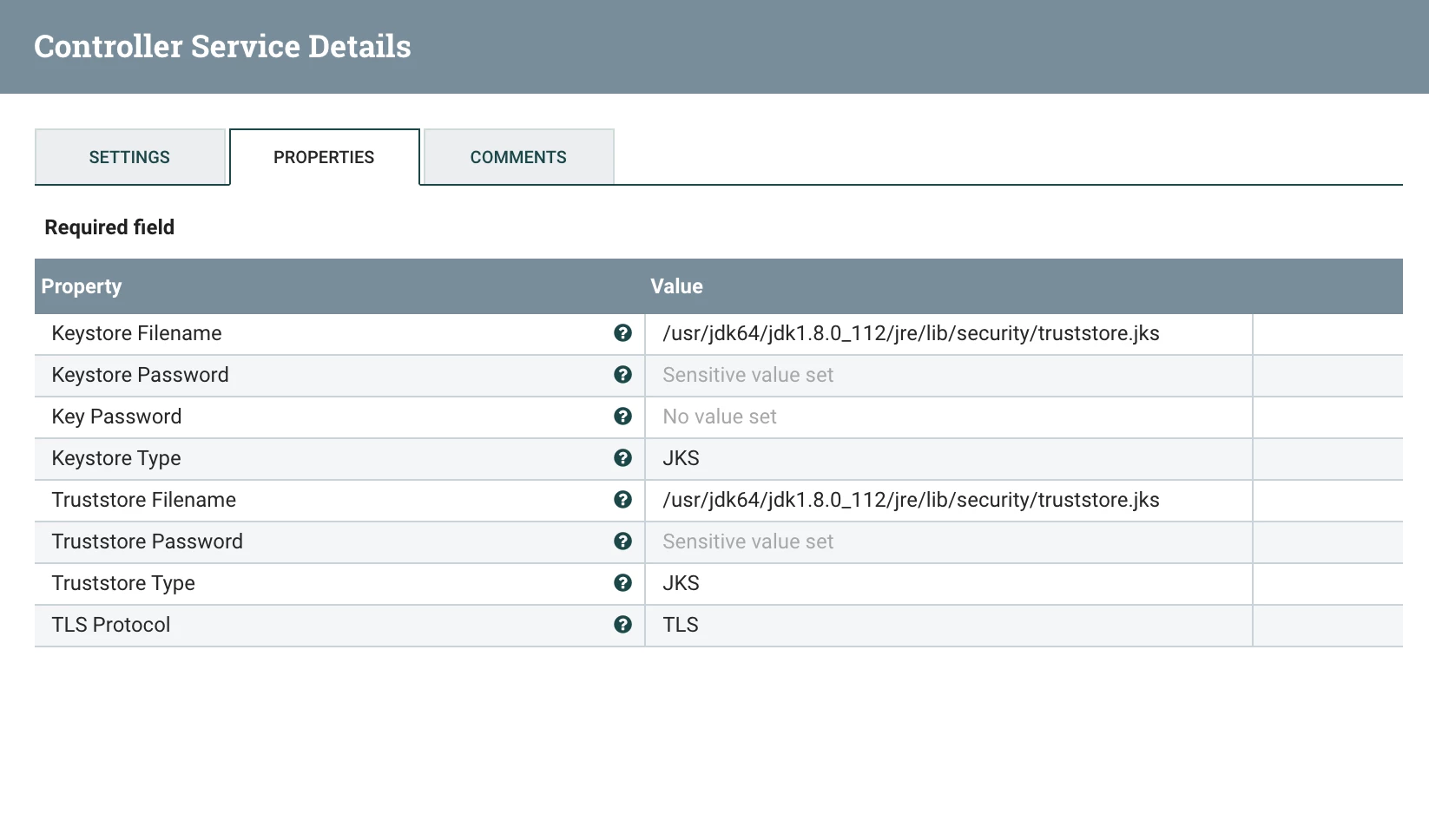
In InvokeHTTP, I'm using the StandardSSLContextService with the following configs:


vatodorov19_2-1604603342053.png


Thanks.

Valentin


stevenmatison
Platinum ⭐️⭐️
November 9, 2020

@vatodorov19   If the service you are connecting too is https,  there is no way to use invokeHttp without SSL Verification.   If the remote host is using a publicly signed cert, try using cacerts in your java location before trying to make keystores and truststores.   If you do make keystores and truststores from the service's public or self signed certs you will need to make sure those certs are generated following best practices. For example: using a real hostname for the service and make sure you connect to the same hostname, not an ip or "resilient.localdomain".


If this answer resolves your issue or allows you to move forward, please choose to ACCEPT this solution and close this topic. If you have further dialogue on this topic please comment here or feel free to private message me. If you have new questions related to your Use Case please create separate topic and feel free to tag me in your post.


Thanks,

Steven

4 replies

stevenmatison
Platinum ⭐️⭐️
November 9, 2020

@vatodorov19   If the service you are connecting too is https,  there is no way to use invokeHttp without SSL Verification.   If the remote host is using a publicly signed cert, try using cacerts in your java location before trying to make keystores and truststores.   If you do make keystores and truststores from the service's public or self signed certs you will need to make sure those certs are generated following best practices. For example: using a real hostname for the service and make sure you connect to the same hostname, not an ip or "resilient.localdomain".


If this answer resolves your issue or allows you to move forward, please choose to ACCEPT this solution and close this topic. If you have further dialogue on this topic please comment here or feel free to private message me. If you have new questions related to your Use Case please create separate topic and feel free to tag me in your post.


Thanks,

Steven

Translate
vatodorov19
Silver ⭐️⭐️⭐️
November 12, 2020

Thanks @stevenmatison

Is there a plan to add a feature to InvokeHTTP to access hosts with a self-signed cert? It is very common for organizations to deploy internal hosts with localhost.localdomain certs, that are only accessible by the IP.

Translate
stevenmatison
Platinum ⭐️⭐️
November 12, 2020

@vatodorov19   I have used tons of self signed certs and not had issues.   Maybe you need to just adjust the method to create the self signed certs and/or the keystore and truststores based on known working nifi samples.   SSL, Certs, Keystores, Versions, and SSL Context Services each are all very finicky so getting them right can be as easy as a config change, or adjustment in the commands to kick of cert/keystore creations.

Translate