@PradNiFi1236
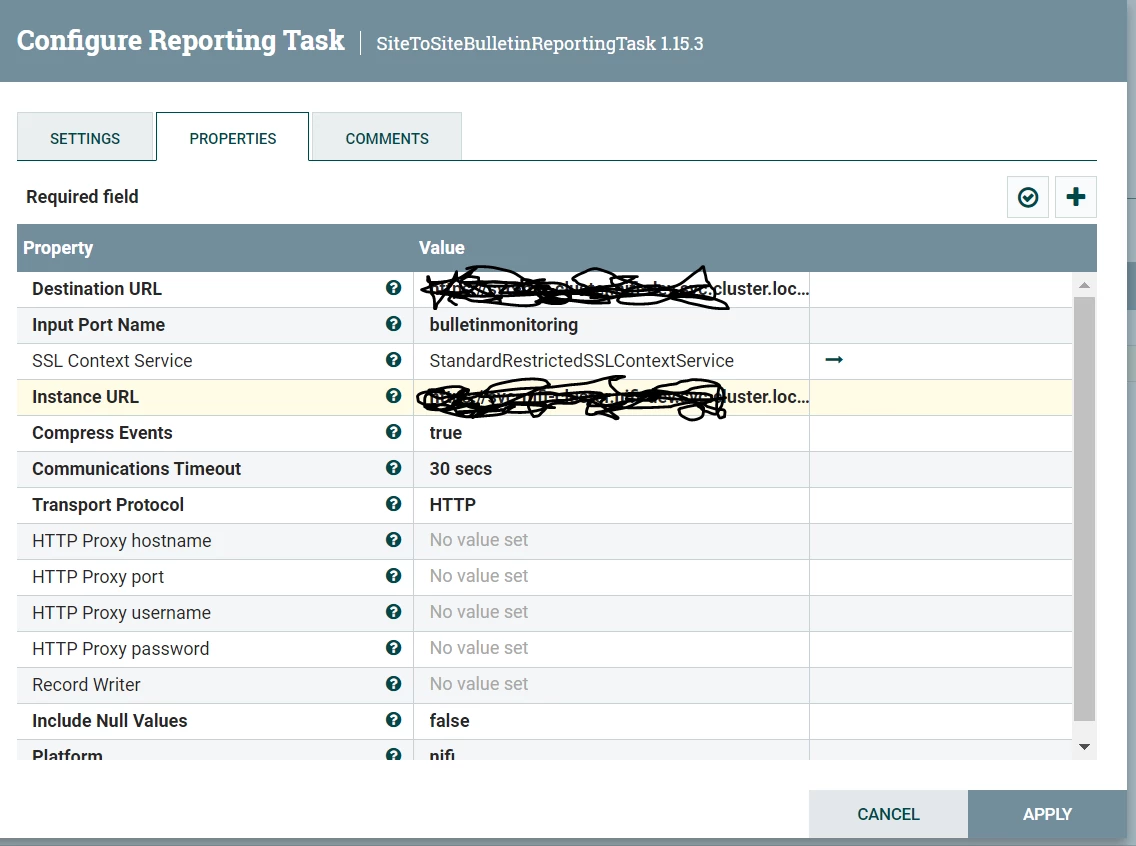
There are numerous steps in this process. So lets start with some basics on Site-To-Site (S2S). The S2SBulletinReportingTask works much like the NiFi Remote Process Group (RPG). When configured with a Destination URL and enabled a background thread will run independently on an interval to fetch S2S details from the destination URL. If the destination url is a node in a NiFi cluster, the returned S2S details will include the hostnames of all the nodes in the cluster, whether cluster nodes are configured to support RAW and/or HTTP transport protocols, the configured RAW port for each node, node load average, etc...
Configuring just one destination URL from the target cluster does not change this behavior. Configuring a comma separate list of nodes from the same destination cluster affords you HA. If S2S details can't be retrieved from node URL 1, it then tries second URL, and so forth.
Also keep in mind it does not matter what node URL of a NiFi cluster you are accessing, any component (processor, reporting task, controller service, etc) added to the canvas is replicated to all nodes in the NiFi cluster. So when you enable this S2SBulletinReporting task, all nodes are going to try to fetch S2S details. Each node in a NIFi cluster has all the same components and executes all the same components (with exception of processors that can be scheduled to execute on primary node only). This means that all node will be trying to send generated bulletins to your cluster nodes.
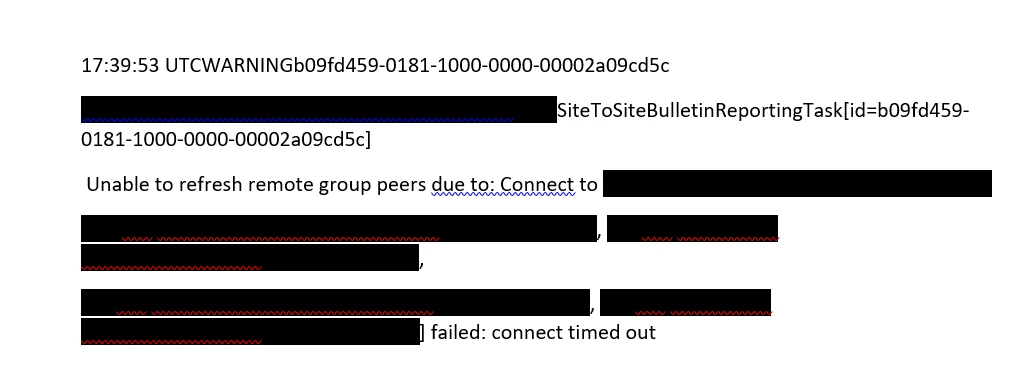
So by what you shared, it looks like the background thread that fetches those S2S details is failing due to timeout. This could be for any number of reasons. Your configured keystore in the sslContextService does not contain a single PrivateKeyEntry that can be trusted by the truststore configured in the nifi.properties file on all 3 of your destination nodes. The PrivateKeyEntry presented by the 3 NiFi nodes to the controller service is not trusted by what exists in the truststore configured in your SSLConTextService. keystore used in sslContextService does not have a clientAuth PrivtaeKeyEntry in it. nifi.remote.input.secure is not set to true. nifi.remote.input.http.enabled not set to true.
There are several authorization policies in play here as well, but I don't think you have even gotten that far yet.
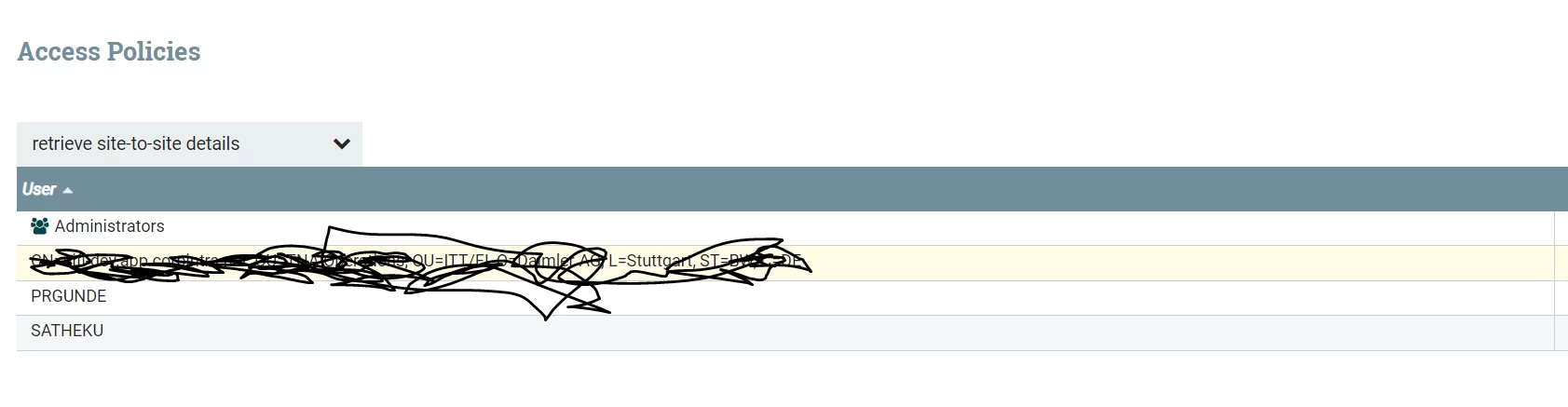
Retrieve site-to-site details <-- The privateKeyEntry from the keystore configured in the sslContextService will need to be authorized to retrieve these S2S details. The keystore used in each of your 3 NiFi node's sslContext service may have unique DNs for their PrivateKeyEntry. So all three of those unique keys would need to be authorized
Receive data via site-to-site <-- The privateKeyEntry from the keystore configured in the sslContextService will need to be authorized to retrieve these S2S details. The keystore used in each of your 3 NiFi node's sslContext service may have unique DNs for their PrivateKeyEntry. So all three of those unique keys would need to be authorized. This allows the S2SBulletinReporting task to see this bulletinmonitoring remote input port as an option to send bulletins to.
But if you were getting past authentication and failing on authorization, your exception would be different. Instead of timeouts, you would be seeing not authorized exceptions.
If you found this response assisted with your query, please take a moment to login and click on "Accept as Solution" below this post.
Thank you,
Matt